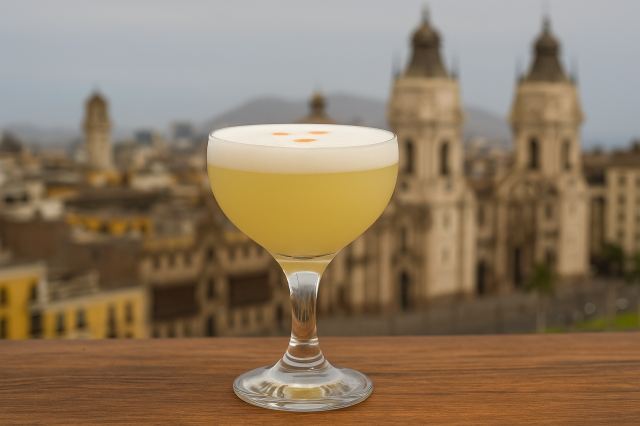
National Pisco Sour Day is celebrated every first Saturday of February , a date officially established in 2003 by the Peruvian Ministry of Production to pay tribute to this iconic national drink. The choice of February was not accidental: it coincides with summer, the perfect time to enjoy a refreshing cocktail, and with the peak of festivities and carnivals in different regions of the country.
The Pisco Sour is much more than a cocktail: it's a symbol of national identity and culinary pride. Its history dates back to the beginning of the 20th century, when American bartender Victor Vaughen Morris —known as Morris —created a version of the "Whiskey Sour" using Peruvian pisco in his Lima bar around 1916. Over the years, Peruvian bartenders perfected the recipe by adding egg white and Angostura bitters, giving it the unmistakable touch that characterizes it today.
👉 You can also read about the history of Pisco in Peru to understand how this drink became a symbol of our culture.
The cultural value of the Pisco Sour
The Pisco Sour represents the meeting of tradition and innovation. Each sip combines Peruvian grapes , the art of distillation , and the creativity of Lima's baristas . Furthermore, it is present at national celebrations, food fairs, and international competitions, where Peru has been recognized for the quality of its pisco and the excellence of its bartenders.
During Pisco Sour Week, bars, restaurants, and municipalities throughout the country organize themed festivals, free tastings, and cocktail competitions , especially in Lima, Arequipa, Ica, and Cusco.
Traditional Peruvian Pisco Sour recipe
The secret to a good Pisco Sour lies in the perfect balance of acidity, sweetness, and body. Below, we share the traditional recipe that you can easily prepare at home.
Ingredients (for 1 serving)
3 ounces of Peruvian pisco
1 ounce of freshly squeezed lemon juice
1 ounce of gum syrup (or liquid sugar)
1 egg white
4 or 5 ice cubes
Angostura bitters (a few drops)
Step-by-step preparation
Place the pisco, lemon juice, gum syrup, and egg white in a cocktail shaker.
Add the ice cubes and shake vigorously for about 10 seconds.
Strain the mixture into a chilled cocktail glass.
Add a few drops of Angostura bitters on top of the foam.
Ready! Enjoy an authentic Peruvian Pisco Sour .
💡 Tip: If you don't have a cocktail shaker, you can use a blender, but only blend for a few seconds to avoid dissolving the foam.
Variations of Pisco Sour in Peru
In different regions of the country, the Pisco Sour has inspired delicious and creative variations. Some of the most popular are:
Passion Fruit Sour: replaces lemon juice with passion fruit juice, offering a tropical and aromatic flavor.
Chicha Sour: mixes pisco with purple corn juice, a colorful and very Peruvian fusion.
Coca Sour: a typical drink in Andean areas, made with coca leaf and pisco, with an intense and unique flavor.
Camote Sour: an innovation from southern Peru that uses boiled sweet potato and syrup, with a surprising sweet touch.
👉 Discover more typical drinks in our article about the most popular Peruvian cocktails .
Where to celebrate Pisco Sour Day in Peru
Each region has its own special way of celebrating this day, but there are emblematic places where the celebration reaches its maximum splendor.
1. Lima: epicenter of Peruvian cocktail culture
The capital city hosts food fairs, tastings, and bartending competitions in districts like Miraflores , Barranco, and Surco . Some iconic bars where you can enjoy a cocktail are:
Pisco Museum Lima
The English Bar at the Country Club
Hotel Bolívar , where Morris' original Pisco Sour was served
2. Ica: the birthplace of pisco
The Ica Valley is home to some of the country's most renowned wineries. During the festival, visitors can explore pisco routes , sample various varieties, and learn about the distillation process.
Notable wineries include: Tacama , El Catador , Vista Alegre and Caravedo .
3. Arequipa and Cusco: tradition and modernity
Both cities celebrate with craft fairs, parades, and cocktail competitions. In Arequipa, the Pisco Sour is enjoyed on terraces overlooking the Misti volcano, while in Cusco it's paired with Andean music and local cuisine.
4. North and Amazon: new proposals
Regions like Trujillo, Piura and Tarapoto have joined the party, promoting themed bars and versions with local fruits like mango or cocona.
The economic and tourism impact of Pisco Sour
National Pisco Sour Day celebrates not only a drink, but also a growing national industry . According to data from the Ministry of Foreign Trade and Tourism, domestic consumption of pisco increases every year, and exports reach more than 40 countries . Furthermore, it generates thousands of jobs in the producing regions.
This day promotes gastronomic tourism , especially in Ica and Lima, where many national and foreign visitors take the opportunity to visit wineries, participate in cocktail workshops and enjoy cultural festivals.
How to celebrate Pisco Sour Day at home
If you prefer to celebrate with family or friends, here are some ideas to make it special:
Organize a homemade cocktail competition and award the best Pisco Sour.
Pair the cocktail with Peruvian snacks such as tequeños, papa rellena or anticuchos.
Decorate your space with Peruvian motifs and play Creole or Afro-Peruvian music.
Share your photos on social media with the hashtag #PiscoSourDay to join the national celebration.
Interesting facts about Pisco Sour that you may not know
In 2007, the Pisco Sour was declared a Cultural Heritage of the Nation .
The record for the world's largest Pisco Sour was achieved in Lima in 2010, with more than 200 liters of cocktail.
Some bartenders use pisco acholado or quebranta depending on the type of flavor they want to highlight.
In 2019, the CNN Travel website included it among the 10 best cocktails in the world .
The Pisco Sour as a symbol of modern Peru
The Pisco Sour transcends gastronomy: it represents creativity, hospitality, and national pride. Every sip contains history, artistry, and a passion for all things Peruvian. Celebrating it is also about valuing the work of the farmers, producers, and bartenders who keep alive a tradition that continues to captivate the world.